
Tue 22nd April – Tokyo to Tono
DW:
I think we spent the right amount of time in Tokyo. We got a taste for what life and culture are like and explored a few of the distinct districts and some random areas too. There was still more there to see that interested us, but we were starting to enter the period of diminishing returns. Another few days would have seen us returning to the same areas for food and entering more of a routine. There is nothing wrong with that, but holidays are finite and I am excited to see the next part of our journey.
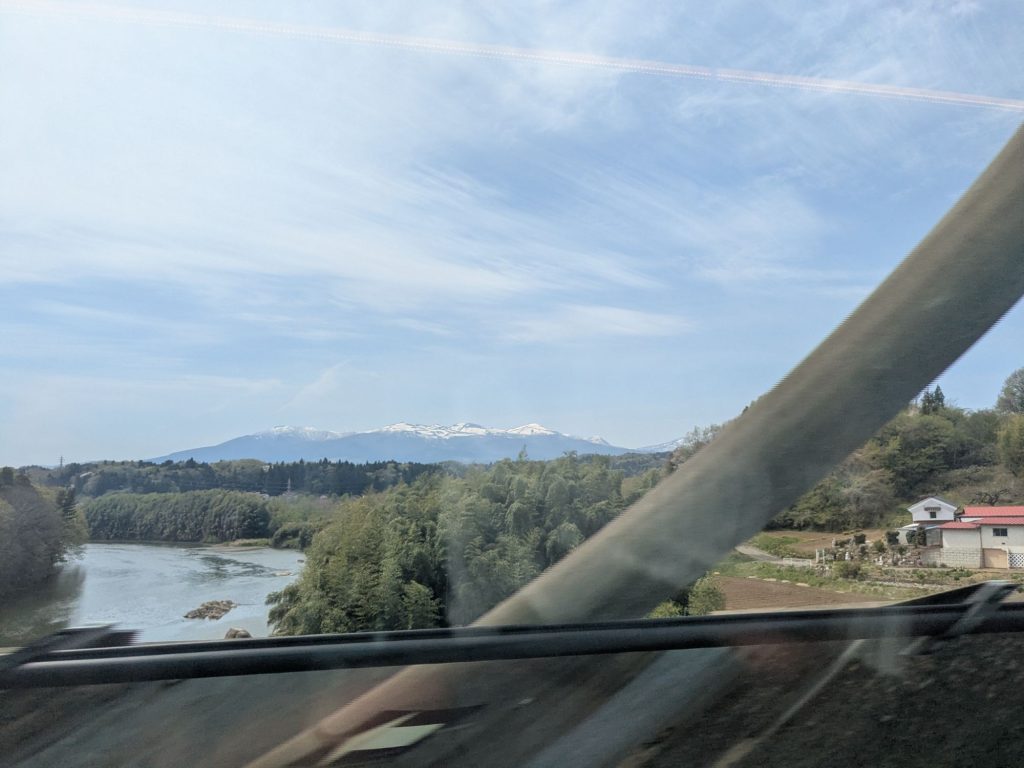
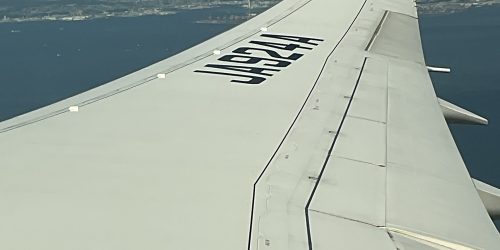
Phase 2 of the trip has officially begun. We head North at 300kph, out of the modern megalopolis and into the quaint hinterlands filled with kappas and spirits.
CR:
My reflections on Tokyo:
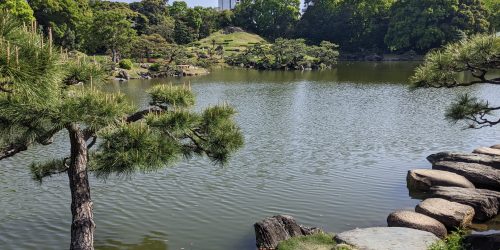
- Tokyo was not a beautiful city. It is smoggy and uniform. Many buildings are the same grey as the horizon. There are pockets of pretty (the river, the gardens, etc) but I was overwhelmed by the lack of nature. It is a truly urban way of life.
- Coffee is not widely understood. Ordering a coffee can lead to many different experiences: a thick, bitter black from a pot; watery black coffee diluted with cold, unfrothed milk; western style foamed milk like a bubble bath dumped on top of drip filtered coffee; or, occasionally, ‘oceanic style’ flat white. Also, you are always asked if you want your coffee hot or cold. In Australia of course it would always be assumed your coffee is not, unless specified otherwise.
- Google reviews are fascinating, and rarely pertain to the offerings of the venue. The lack of cold water or greeting when entering automatically deducts two stars. If the staff are Chinese its maximum rating is two stars. A comfy array of chairs to sleep on adds a star.
- Plastic. Everything is plastic. I now feel like my keep cup is redundant. It makes no impact.
- Bowing matches can be funny. We ran into two groups bowing to each other at a street crossing and they seemed caught in a boot loop, unable to identify which group was more senior and therefore should receive the last bow. The groups were going in different directions and had to retreat backwards, continuing to bow, until some arbitrary amount of space between them had opened up. Only then could they turn around and continue on their different ways.
- If google translate says the menu item is chicken, do not assume this chicken is cooked. If google translate says the menu item is whale, maybe just don’t order that one. It’s probably whale.
- There are a lot of rhodo plants in bloom in April. This makes me recall Blackheath fondly, and think Costa is going to burst out of one of the bushes.
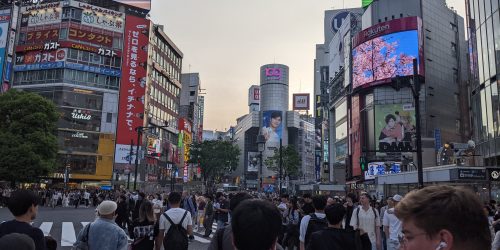
- 14 million people can be quiet.
- There’s actually a lot of Western food options, mostly French and Italian. This surprised me. Not much Thai or Indian or Vietnamese but a trattoria or a bistro on every block.
- On the topic of food, it was much harder to connect with restaurant owners regarding their food than Thailand. In Thailand, I felt the cook and any associated family members (eg. Mother preparing vegetables in the back corner) were so interested in what you thought about the food. And this happened for nearly every meal in every town. I remember eating a Thai dish in a Target equivalent shop in the South and a lady just sat down and started asking me (in Thai and the English word ‘spicy’) about the meal. She had a big plushie under her arm that she’d just bought. This is an automatic positive connection that you can make despite the language barrier. None of that is present in Tokyo. You are very much left alone as a customer. And I am finding that it is harder to interact and bond, even though the language barrier is much less than Thailand (many Japanese employees speak quite good English).
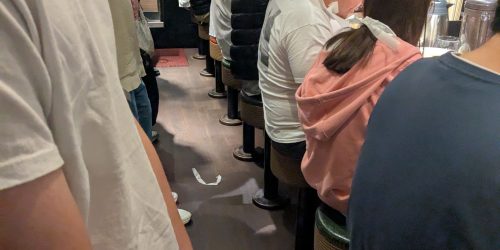
- The food has been much more unusual than I expected. I suppose that’s because in Sydney it’s all vegetable gyoza and pork ramen. Without trying, we’ve had: fugu (poisonous blowfish), raw chicken, many different types of offal skewers, sea snail, eel. We’ve also seen raw horse meat and whale on menus. These are just random places we’ve walked past and selected based on no research, so have every reason to suspect it’s all quite normal for locals.
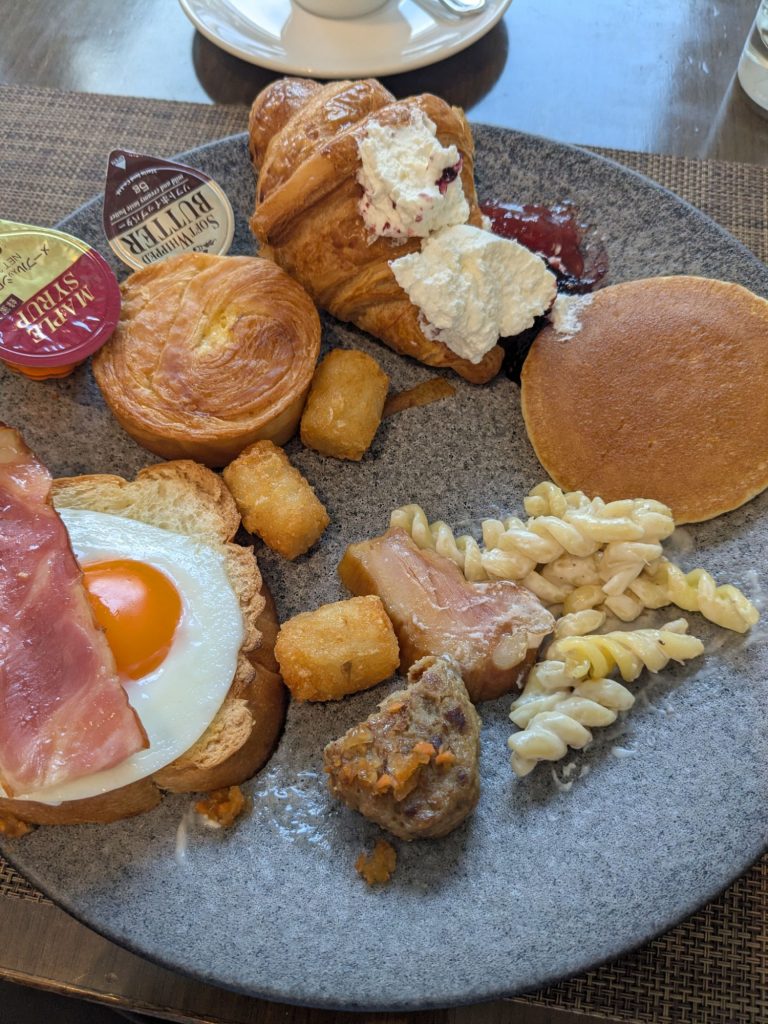
DW: I knew better and went to a sandwich/coffee store instead. Japan is big into sandwich culture, but is violently anti-crust.
CR: DW forgets to mention I only went to hotel breakfast because I was sick of waiting for the cafe breakfast stores to open (anywhere between 8am for a western breakfast to 11am for noodles).
DW: CR is struggling to integrate and assimilate herself into culture. Just wait until you get her diatribe on tatami mats tomorrow.
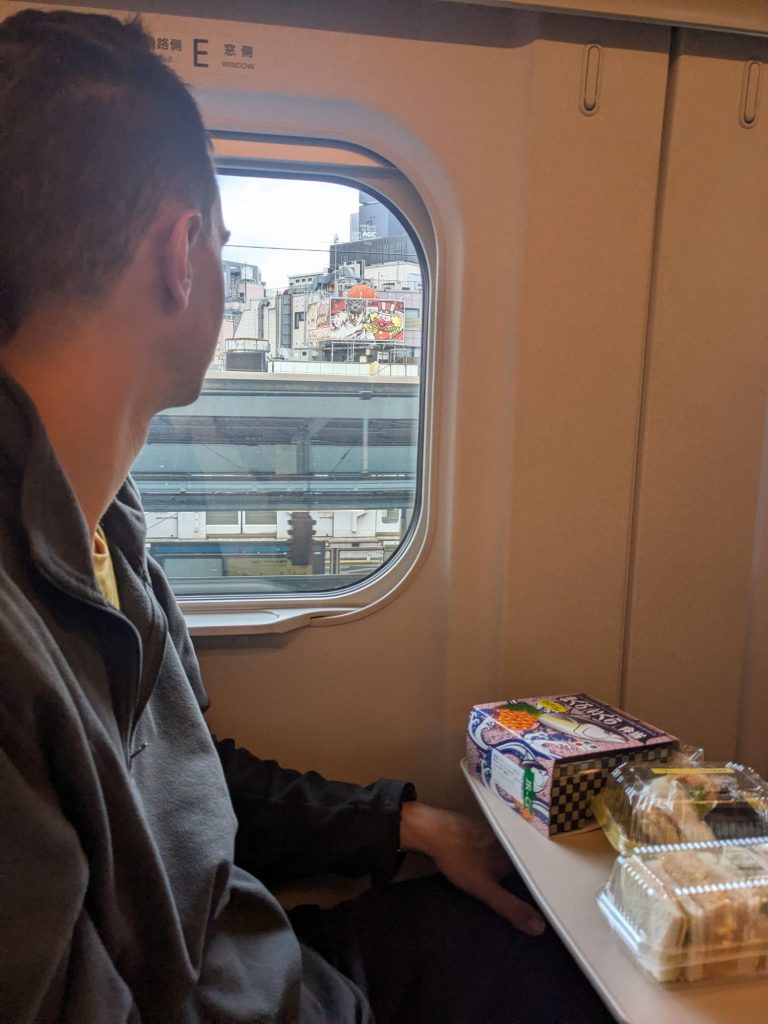
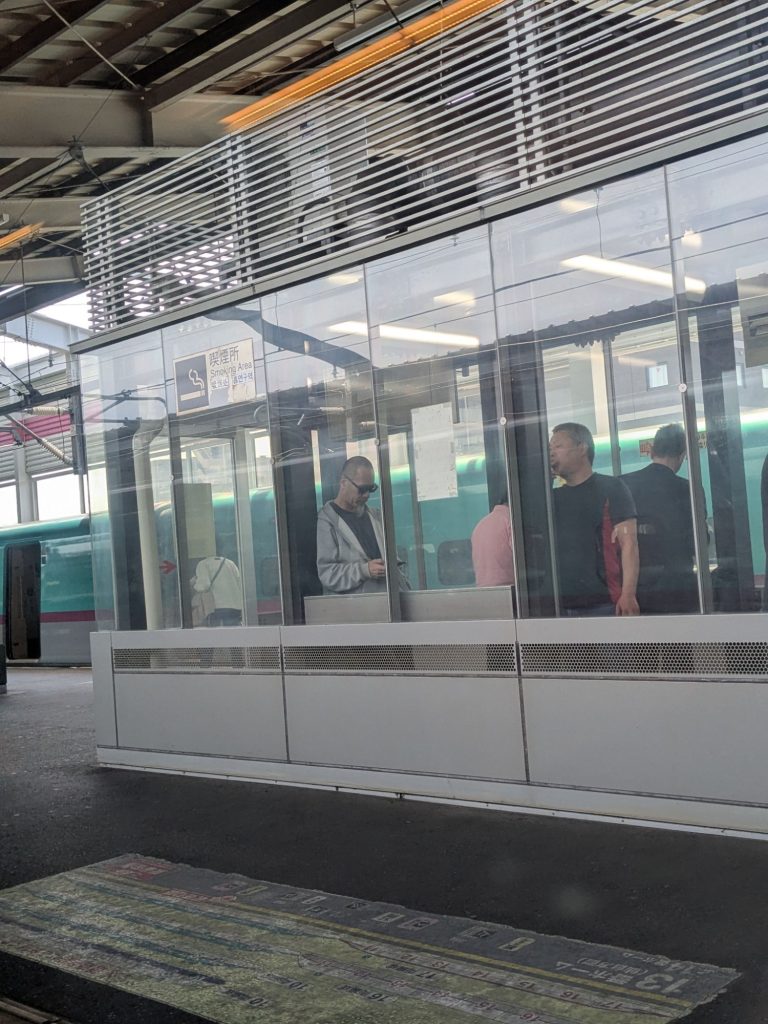
DW: Even outside in open areas (such as a park), you are forced to enter a smoking box with an open top to light up. Conversely, if you are in a fully enclosed cafe, you can be puffing away on a cigar with no issues at all.
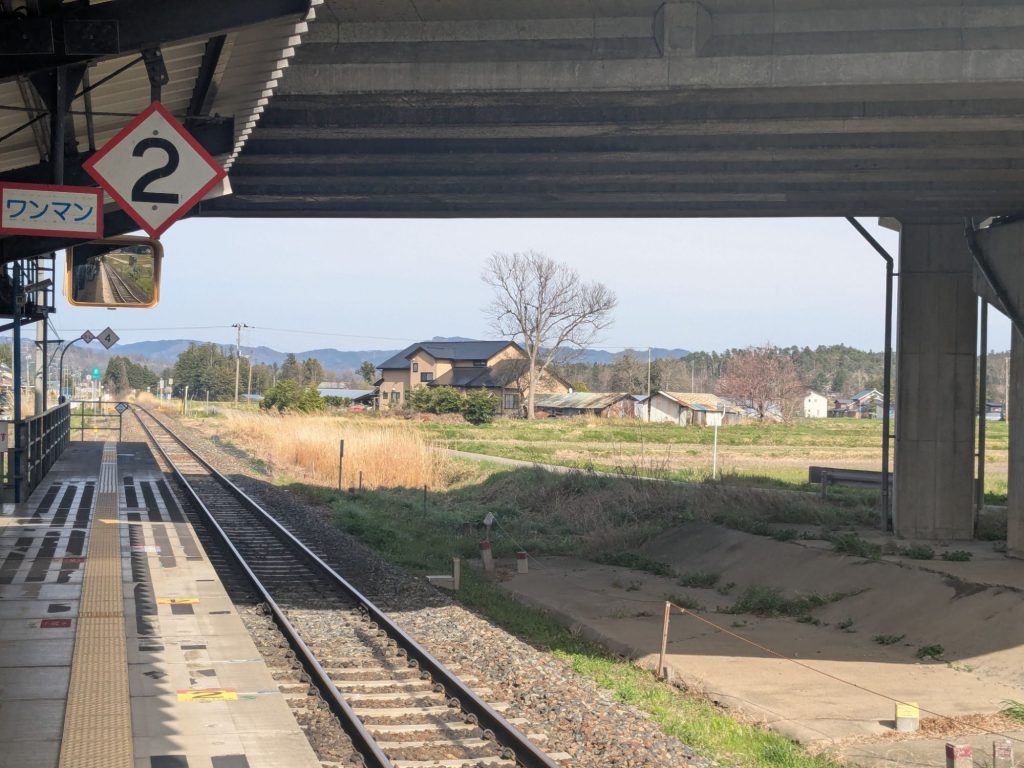
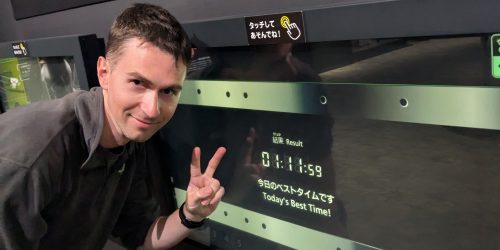
DW: I was a bit nervous at this interchange. We had 9 minutes between our bullet train arriving and our subsequent rural train departing. Any timetable issues would have meant a 90 minute wait and a confusing phone call to our next host explaining the revised pick-up situation. I placed my faith in the unwavering promptness of JR East Rail and was not disappointed.
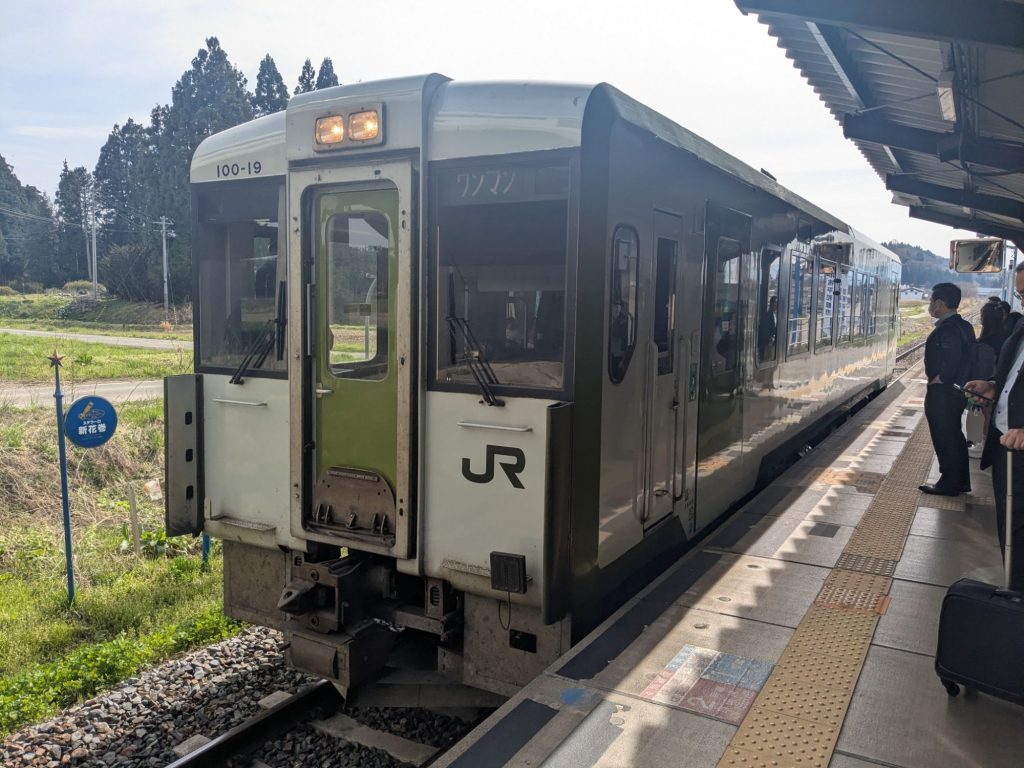
DW: Kawaiiiiiiiii!!!!!!
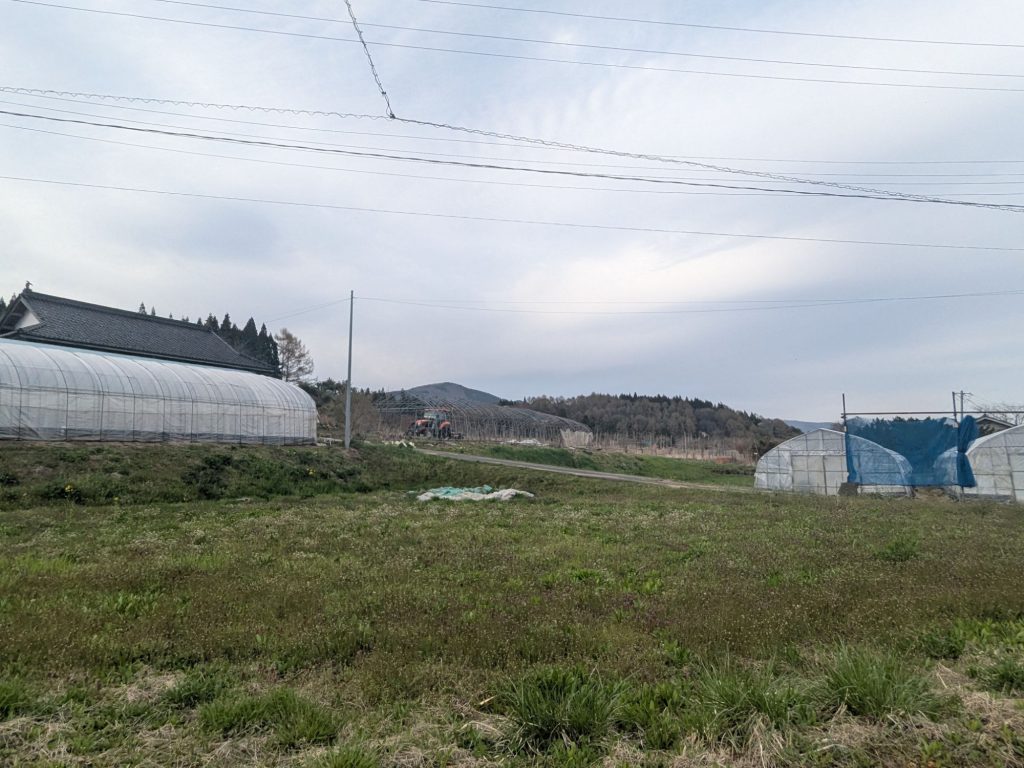
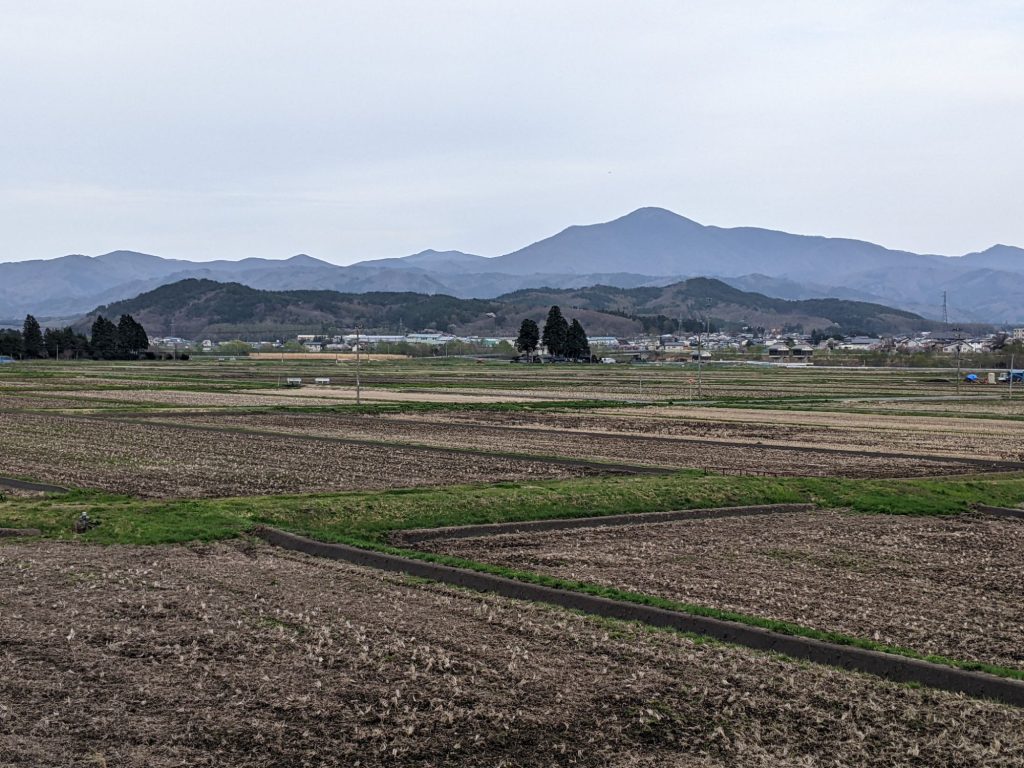
DW: At one point during the trip planning process, Caitlin asked me if we could go and see where Burning was based. I had to explain that was Korea and a different country.
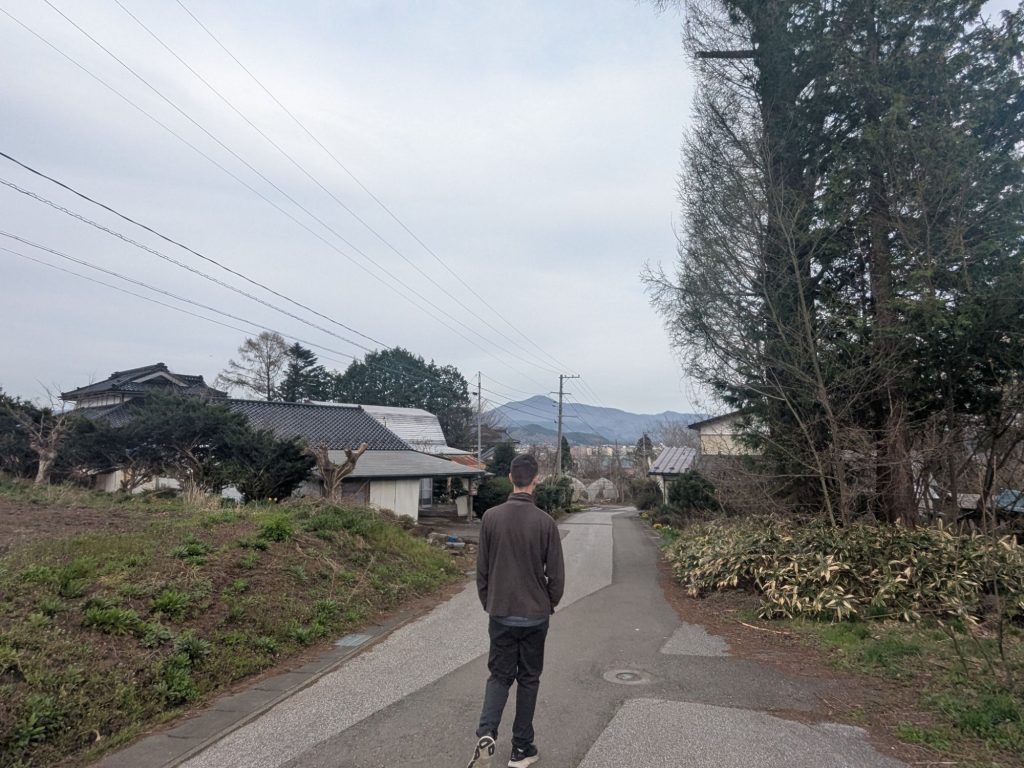
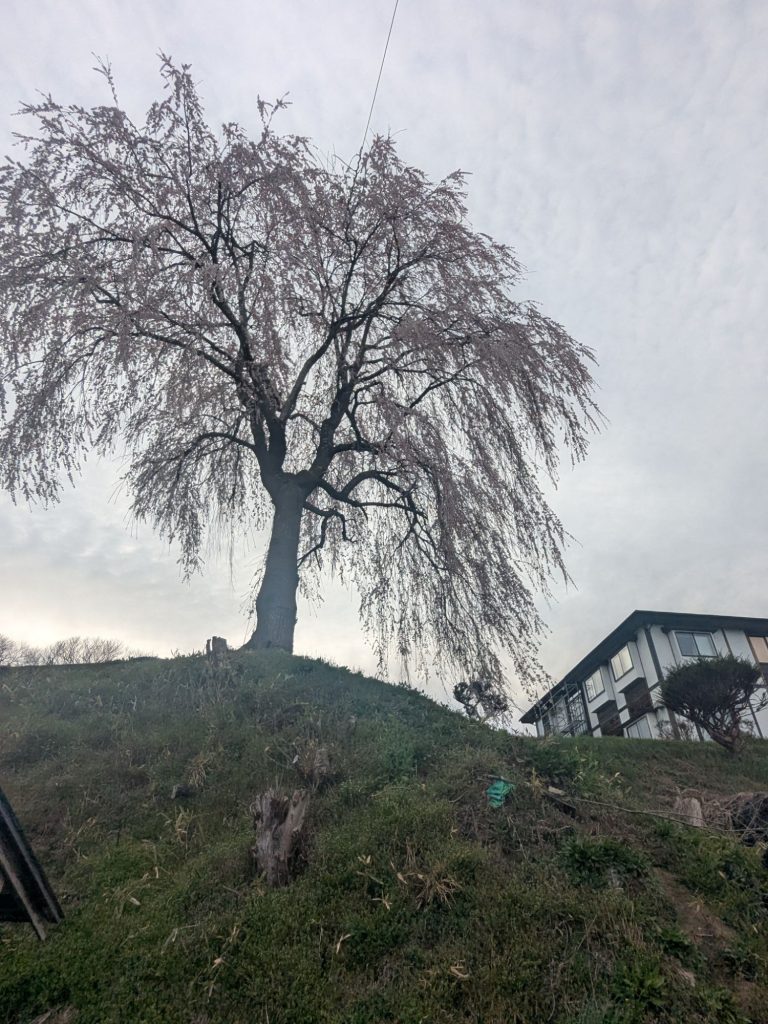
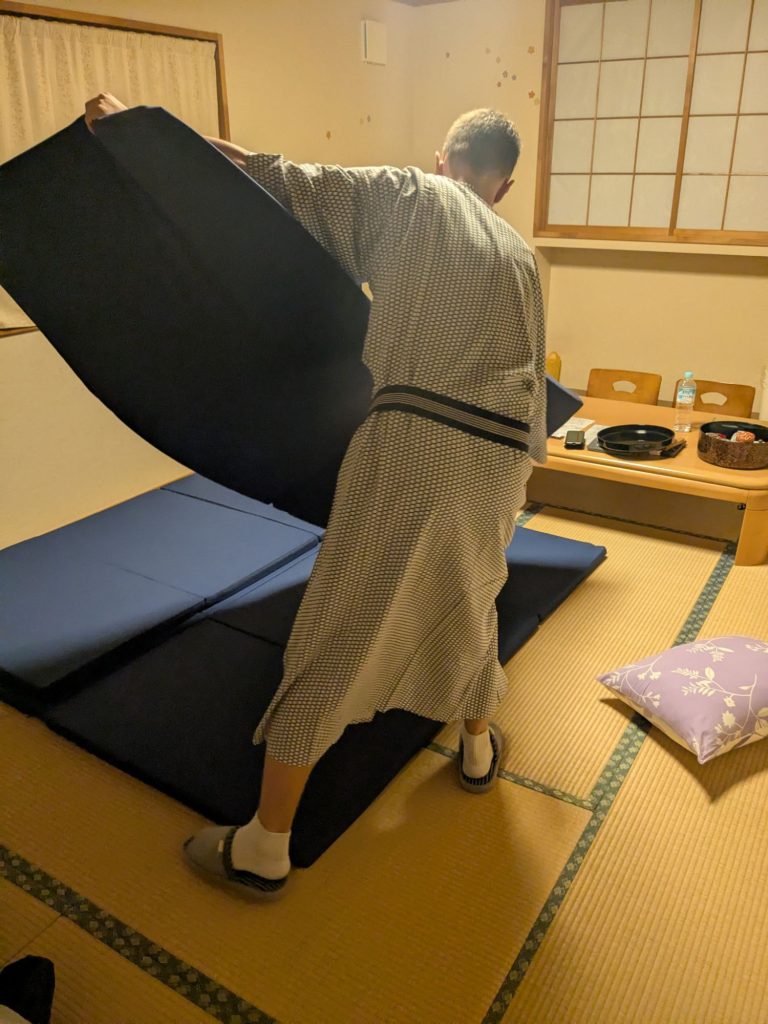
DW: The reader may be confused for thinking this is our innkeeper helping out. Look again. This is Decondo-san in his nightly garb preparing the futon.

The western breakfast looked terrible. How was the fugu. Was Declan happy with his haircut. I have never seen or heard of the smoking box. Do they actually vent the cigarette smoke out through the main building roof like they do for cooking fumes in a restaurant. If they don’t it all seems a bit useless. Declan has planned the train connections with the skill of an experienced logistics coordinator. The last photo made me think Caitlin was having an affair with a local.
Fugu was served raw, thinly sliced with soy sauce and wasabi. It mainly was a texture in my opinion. I wouldn’t have ordered it if I knew what it was.
Smoking boxes outside are either open topped or vented (with the vent being directly nearby).
Indoor boxes are vented outside. We’ve only seen a few of these. Often smoking just happens inside at the restaurant table.
It does seem some are useless but must be a socially imposed standard.
Declan acknowledges his skill as logistics planner.
Decondo-san acknowledges he has assimilated, including dress sense.
I’m confused.
Didn’t you realise that you were ordering fugu at all or you did know but didn’t realise how it would be presented .
Im never a fan of any food when the spices and condiments overwhelm the flavour of the main ingredient
There is a fine line between cultural appreciation and cultural appropriation.
Cait, have you adopted the local customs
No, we had no idea we were getting fugu. It was a very small restaurant (around 15 seats at full capacity) and the two people who owned it spoke no English. The menu was all in Japanese. Using Google translate we asked if they could select some dishes for a light meal for two. She bought out the first course, and as we were eating, she brought over a small porcelain blowfish figurine and said “fugu”. This is how we learnt we were eating fugu.
Would you have knowingly ordered fugu
No, I would not have. Would you?
Never